Reflections on the knowledge-sharing trip of a lifetime
by Rianna & Madeleine
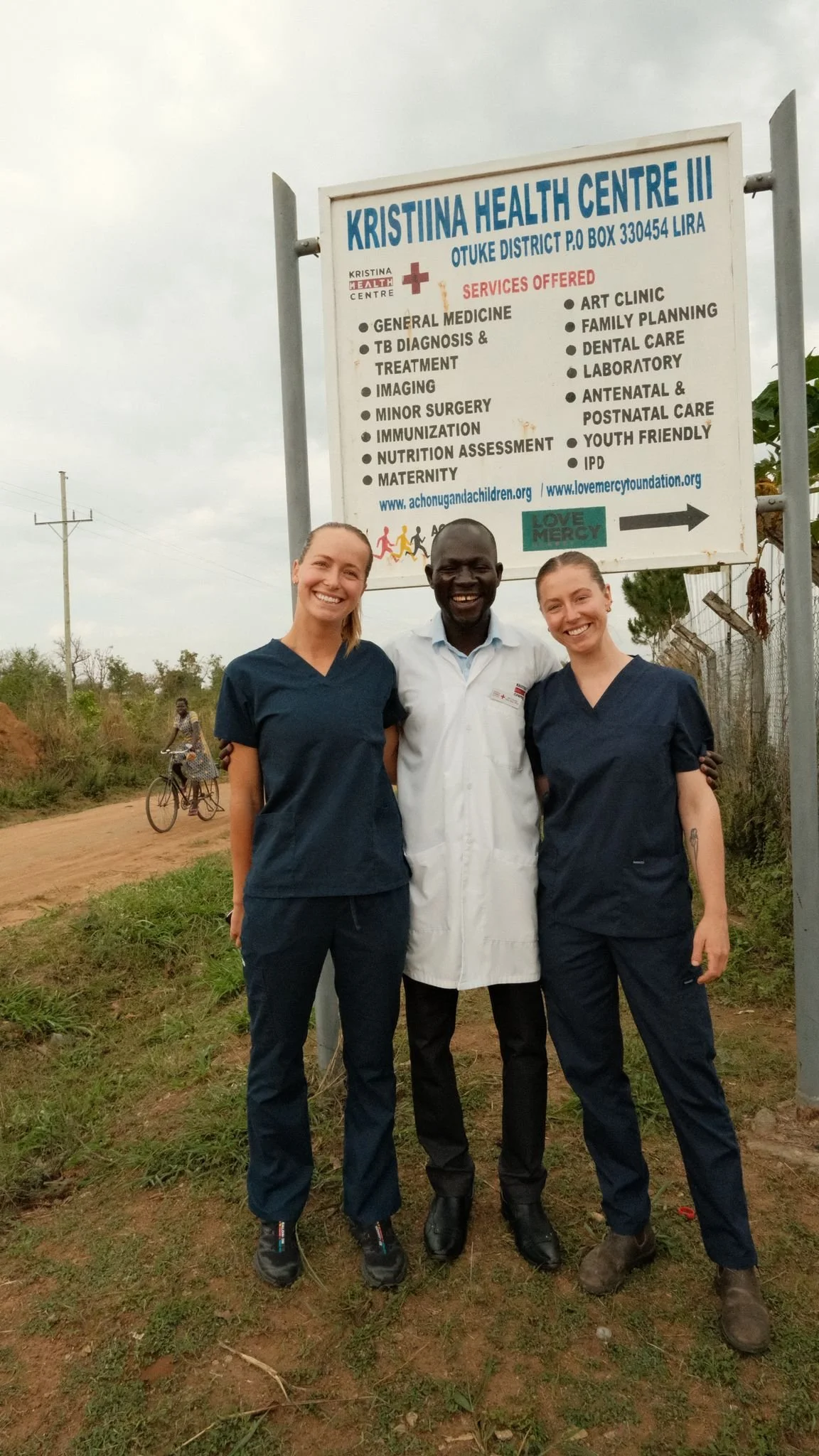
Rianna (left) and Madeleine (right) with KHC Chief Clinical Officer Daniel
Two weeks in rural Northern Uganda working alongside the team at Kristina Health Centre really challenged our perspective on what it means to deliver healthcare. It's an experience that's had a lasting impact on both our clinical practice and how we see things more broadly.
A Brief Introduction
We are Rianna and Madeleine, and we were fortunate enough to experience an incredible two week journey with the Love Mercy team at Kristina Health Centre (KHC) in Otuke, Northern Uganda. A little about us:
Rianna – I was first introduced to the Love Mercy Foundation during high school in the Sutherland Shire, where our school supported the organisation through fundraising initiatives. Even then I was drawn to the incredible work being done in Northern Uganda.
I've worked as a paramedic for the past 8 years across Australia and the United Kingdom. It was during my time working in remote Western Australia that my interest in resource-limited healthcare settings began to grow. Experiencing the challenges of delivering care with limited resources, combined with my love of travel, sparked a deeper passion for humanitarian work abroad.
Over the years, Love Mercy seemed to reappear in different ways, and it began to feel like more than coincidence. Eventually, I reached out to explore the possibility of volunteering and supporting their work in Uganda.
Madeleine – I grew up in Southwest Sydney and have always had a strong desire to make a difference in the lives of others. I've also been a Paramedic for 8 years, having worked in London and Sydney, and now live and work in the remote town of Alice Springs in the Northern Territory.
I had always dreamt of doing humanitarian work abroad when I first qualified, but my love for the job kept pulling me to stay. The opportunity to work alongside the LMF team at KHC was something I never could have imagined - and it has truly changed my life.
Arriving at KHC
We left Australia on a hot January morning in Sydney to spend the next few weeks hiking Mount Kilimanjaro in Tanzania, playing safari bingo in the Serengeti, and onto Southern Uganda for gorilla tracking. The next step was to head to KHC to meet the Ugandan Love Mercy team. This was the main purpose of our trip to East Africa, something we had been dreaming of for a very long time.
After a night in Lira, our driver took us to the local markets to pick up two mattresses, a mosquito net, and some non-perishable food, understanding we may not have reliable power or access to a fridge. From there we began the two-hour journey to the Otuke District.
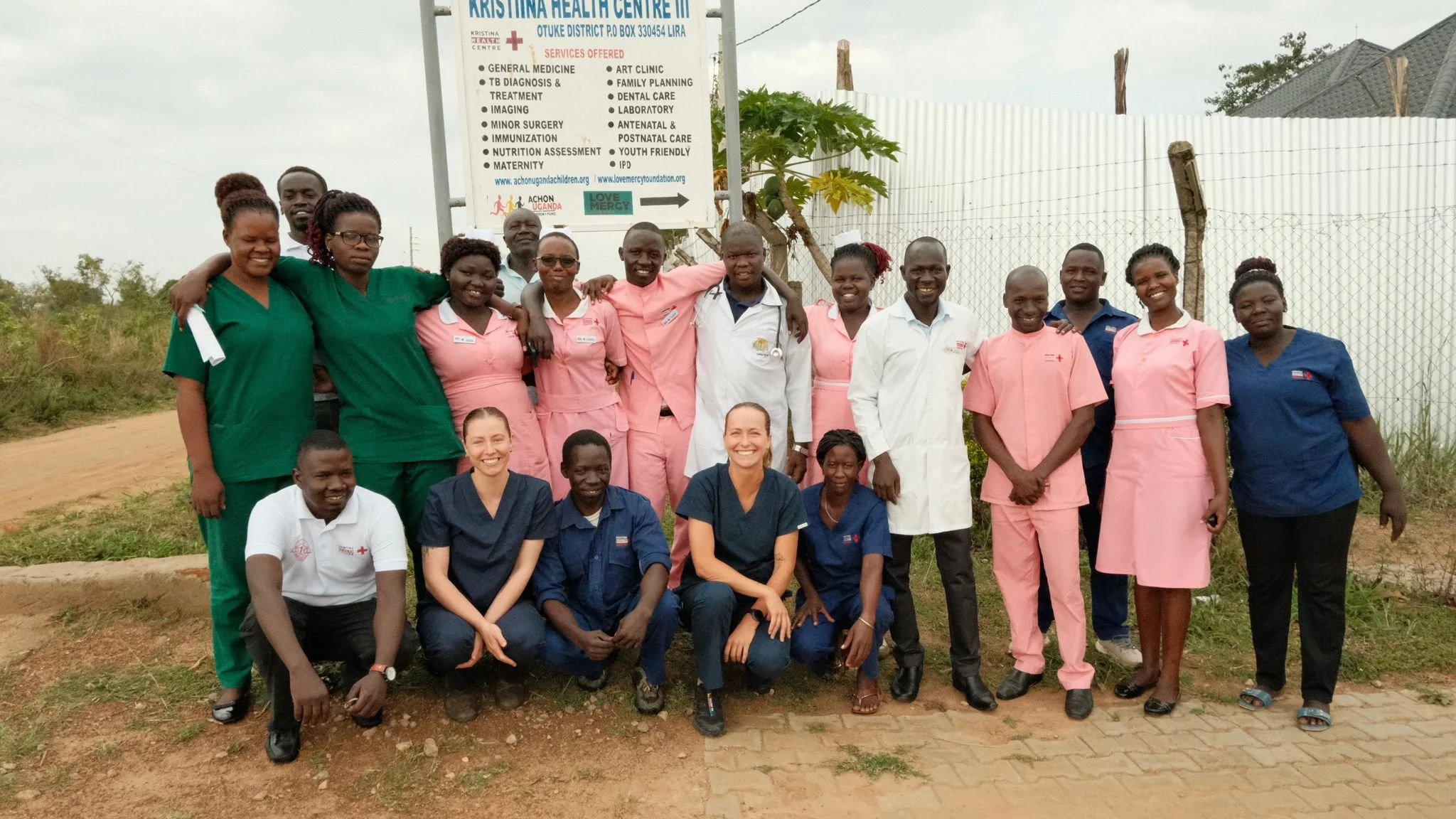
We were met with the warmest welcome. The team had gathered to greet us and showed us where we would be staying. We were introduced to the incredible team of nurses, midwives, clinical officers, administrative, support and security staff and finally met Dr Daniel in person.
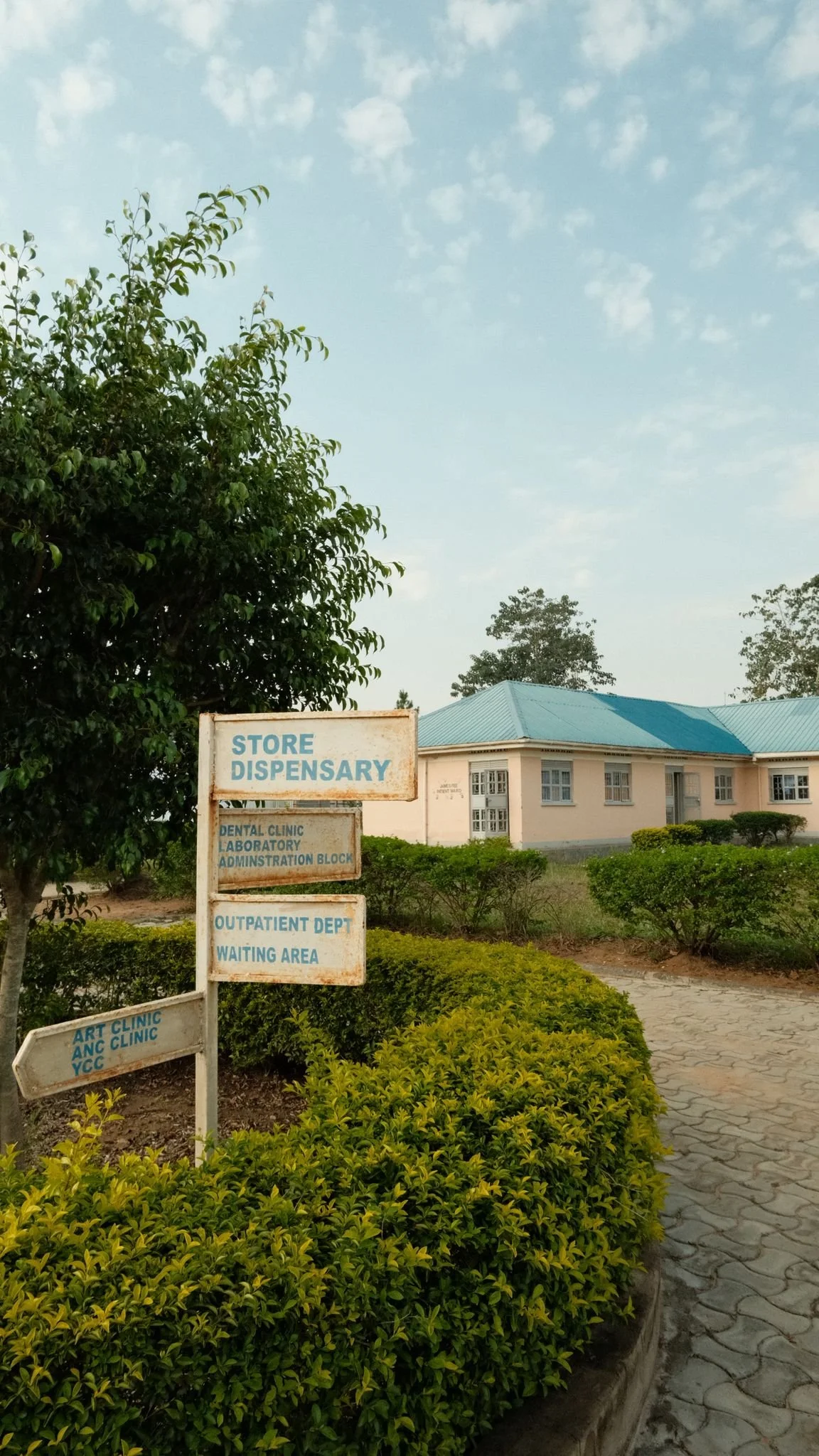
KHC serves as a lifeline for surrounding communities. Located 78km from the nearest hospital along a rough dirt road, and serving two districts, the clinic provides essential healthcare to a large rural population. Within the centre is an outpatient department, general men's and women's wards, a maternity ward and delivery suite, as well as a family planning and antenatal clinic.
Clinical Work & Malaria
Over the two weeks, we assessed and assisted in treating patients with a range of conditions, with malaria being one of the most common presentations (something we had little exposure to in our previous clinical experience).
Symptoms of malaria often begin mildly: fever, headache, diarrhoea, and vomiting, but can quickly progress to severe illness including cerebral malaria, presenting with confusion and seizures, severe anaemia and organ failure. The clinic utilised rapid antigen testing, allowing for quick diagnosis and early treatment with quinine, which is highly effective when administered promptly.
A number of staff members also became infected during our stay, though typically with milder symptoms due to partial immunity and early recognition. However, in high-risk groups, particularly children, pregnant mothers, and those with HIV; malaria can progress rapidly and become life-threatening. In fact in Uganda, it remains the leading cause of death in children under five and has the third highest burden of the disease globally.
Encouragingly, since 2025, a malaria vaccine has been introduced into the childhood immunisation schedule which is an important step forward, though its long-term impact will take time to be seen.
Prevention & Vaccination Clinics
This emphasis on prevention was something we were fortunate to witness firsthand. One of the highlights of our time at KHC was the weekly childhood vaccination clinics.
Mothers would travel by foot for kilometres to access these vital vaccinations. The gratitude from the mothers was clear, and it was incredibly rewarding to be part of this preventative care.
We found it comforting that the KHC staff had never encountered vaccine hesitancy among mothers. However, it was a powerful reminder of the health disparities that exist between Uganda and countries like Australia, a real time observation of the privilege paradox.
Maternal Health & Deliveries
One of the experiences we were most excited about was assisting in the delivery of babies. As paramedics, our exposure to childbirth has been limited to just a handful of times in our careers and so we were both very keen to get hands on and learn.
We asked to be woken during the night if any mothers were in imminent labour. By our second night, we were.
Although we didn't share a language with many of the patients, we quickly learnt "chole, chole" meaning "push, push" in Langu, which became our most used phrase during deliveries.
Over the two weeks, we assisted in delivering five babies, including one set of twins. It was a privilege to work alongside Daniel and the midwives, whose obstetric knowledge, skill and expertise were remarkable.
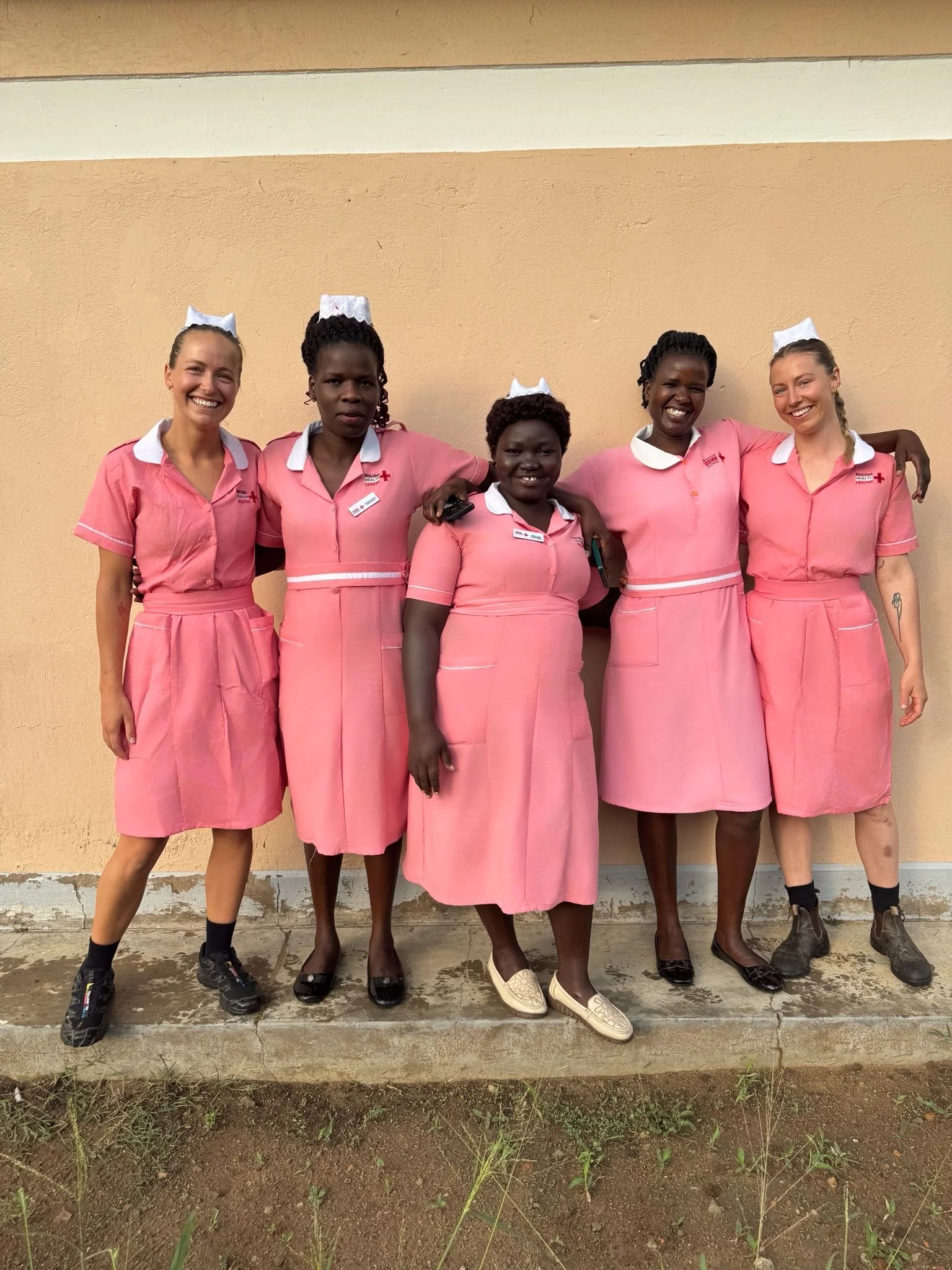
Rianna and Madeleine with the incredible KHC midwifery team
However, there were also confronting moments. Two mothers experienced significant postpartum haemorrhages, which became tense situations given the lack of access to blood products onsite if their condition deteriorated.
Transfers to higher-level centres are not always straightforward. Roads can become flooded, fuel may be unavailable, ambulances can experience mechanical issues, power outages are common at receiving centres, and access to anaesthetic or surgical staff is not always guaranteed.
On the day we arrived, a mother required transfer to the nearby centre IV for lifesaving surgical intervention due to her labour not progressing well. A power outage at the first facility meant she had to travel a further two hours. In these situations, time is critical, and often limited.
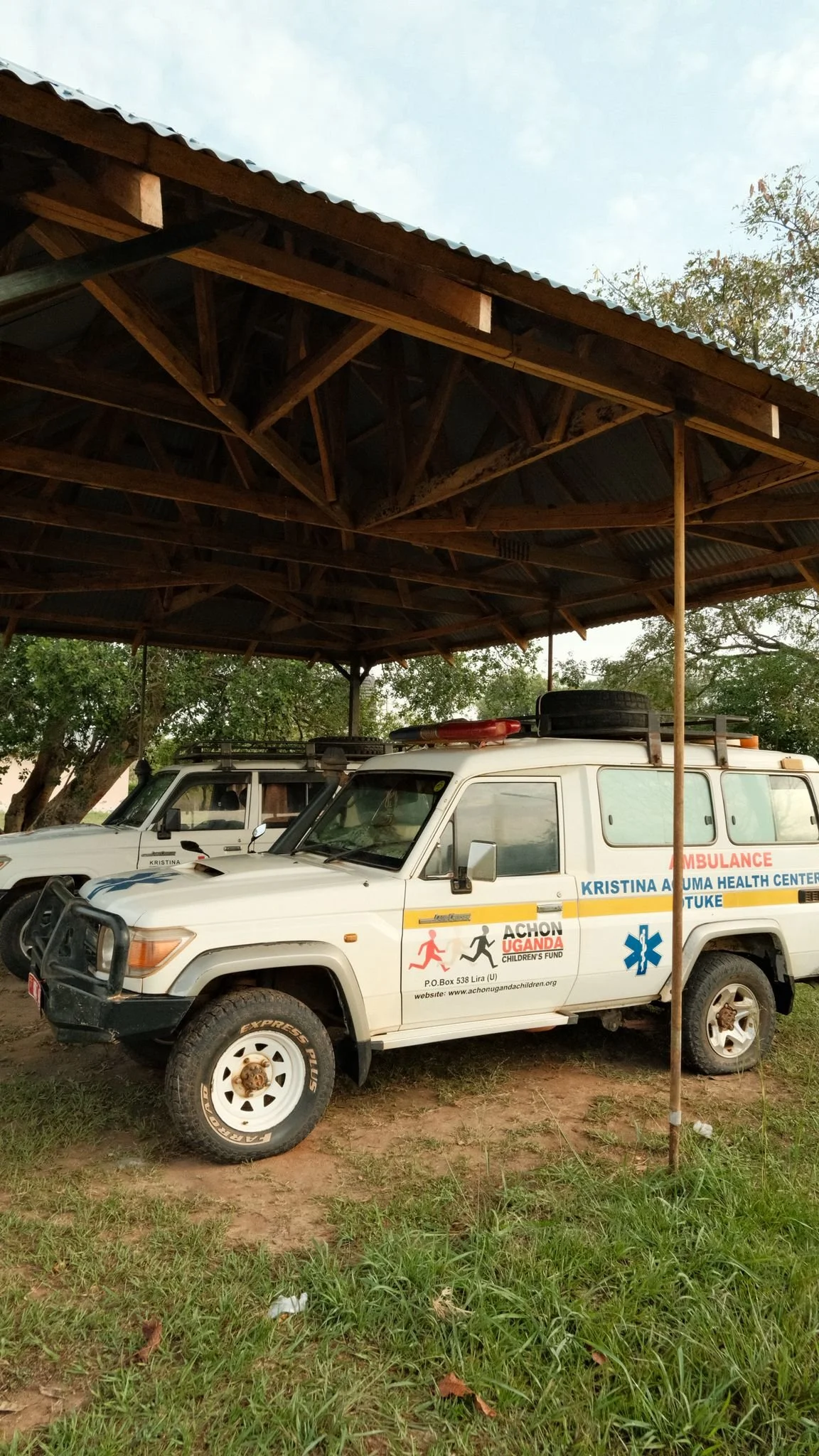
The KHC ambulance regularly transfers patients 78km to the nearest emergency clinic in Lira
We also witnessed the realities of labour without access to analgesia or anaesthesia, including during miscarriages and complications. Many of the women were very young, which was also confronting at times.
Resource Limitations
When we speak of limited medical infrastructure in Australia, we often refer to prolonged wait times, staffing shortages, or outdated systems. However, at KHC, it takes on a very different meaning.
It can mean no access to hot water, a shortage of essential childhood vaccines, or sleeping in the ward with a mosquito net. The challenges extend beyond this. Due to the remote location of the clinic, ordered supplies may take weeks to arrive. Bed linen is provided by patients' families, gloves are used as venous tourniquets, and drug infusions are created by adding a drug to a bag of fluids by piercing the plastic directly. The maternity unit has a single ventilator mask for newborns and the unreliability of power means outages are common, and life-saving interventions, such as oxygen, rely on electricity to function.
Yet none of this dampens the spirit of the team. They approach every challenge collaboratively, with their patients' wellbeing at the centre of every decision.
This is not to scrutinise how the clinic operates, they deliver extraordinary care with the resources available. Rather, it offers a powerful perspective on the structural and geographic barriers that influence access to healthcare.
Education & Learning
We were also given the opportunity to run an education session for the entire clinical team. Deciding what to focus on was challenging, given how much we rely on resources not available in this setting.
We chose to focus on a topic close to our heart; the fundamentals of Basic Life Support, including CPR and airway management. Without access to a defibrillator, the emphasis was on strong clinical fundamentals, teamwork, and optimising the resources available.
What stood out most was the enthusiasm of the team - every single clinical team member showed up and demonstrated genuine interest, grateful for the opportunity to learn. It was clear how much they valued both their education and the opportunity to provide care to their community.
National Perspective
Each Thursday, the Ugandan Ministry of Health hosts a national forum where medical personnel from across the country can join to review and discuss a recent maternal death. We were fortunate to attend two of these sessions.
Uganda has one of the highest maternal mortality rates (MMR) in the world. During one of these meetings, we learned that over the course of a single week, there were 15 maternal deaths and 239 perinatal deaths reported nationally. When compared to Australia, where around 20-30 maternal deaths occur across an entire year, it was confronting and a very real reminder of the consequences of limited access to healthcare, human resources and infrastructure.
What stood out most, however, was that these national figures were so different to the outcomes at KHC. Despite the daily challenges, their maternal and neonatal outcomes are significantly better than the national average - a testament to Daniel and his team.
Community Outreach (VHT)
Later in our stay, we visited the Village Health Team (VHT). Both clinical officers, Daniel and Jofferey, took us out into the community by motorbike, where we met the volunteers supporting local healthcare
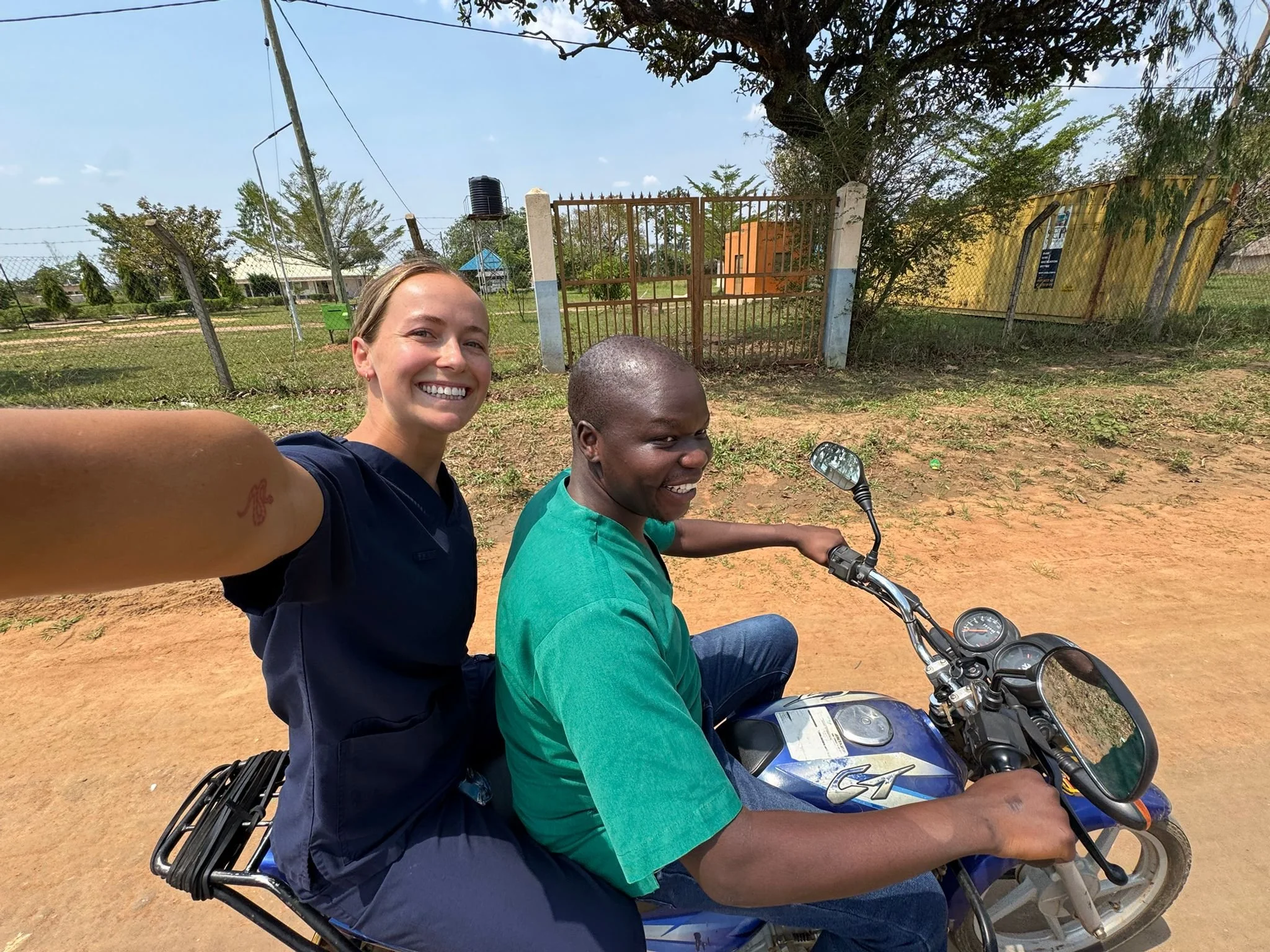
Rianna with Clinical Officer Geoffrey
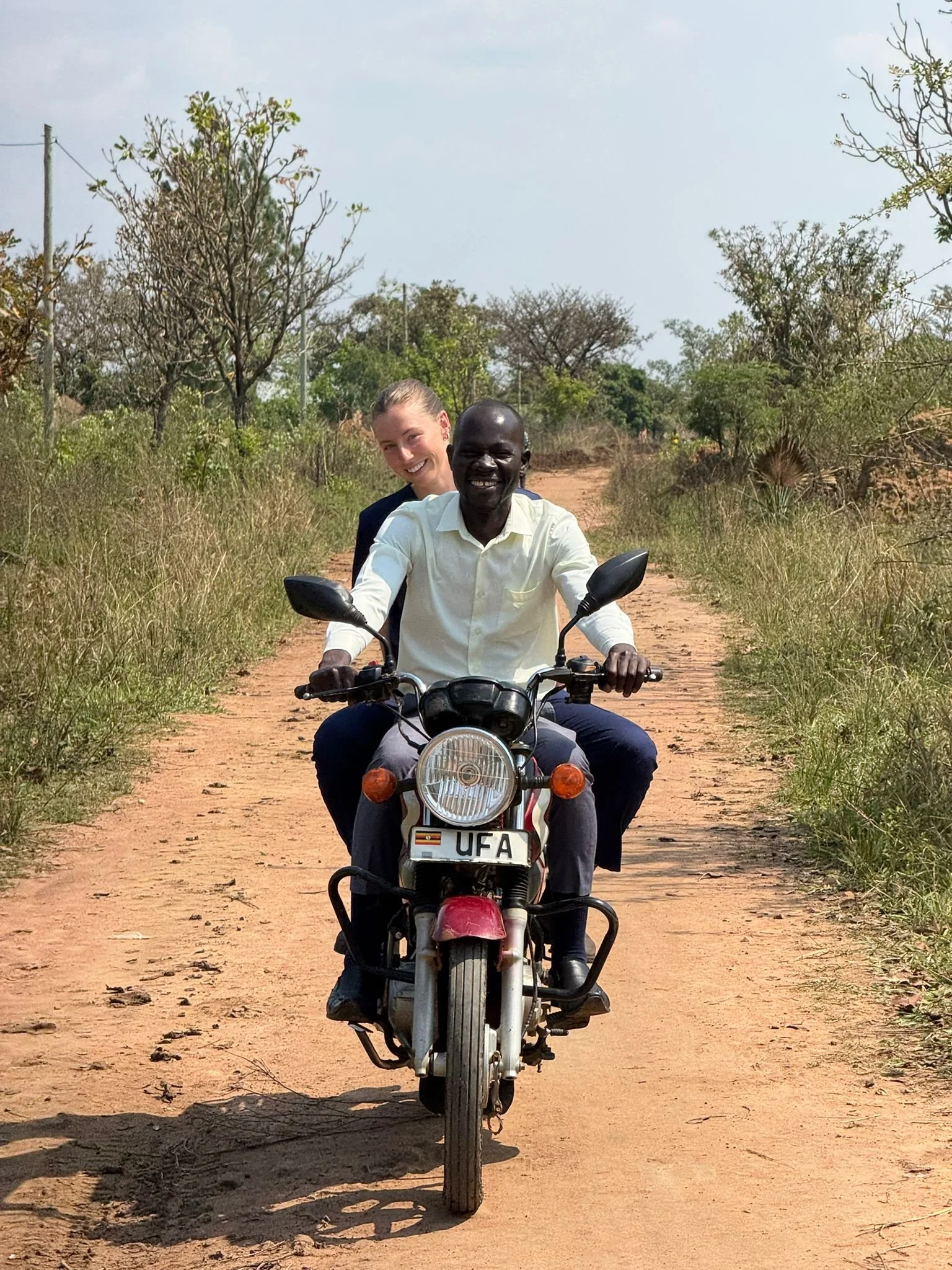
Madeleine hitched a ride with Daniel to visit Village Health Trainers in a remote village
These volunteers play a crucial role. They are provided with basic supplies and medications to treat childhood diarrhoea, initiate early malaria and pneumonia treatment, and act as a bridge between the community and KHC. Each volunteer may support up to 100 people.
It provided valuable insight into the challenges and realities faced by many of the patients we had been treating.
Cents for Seeds
Another highlight was visiting the Love Mercy Cents for Seeds program.
We were overwhelmed by the scale when we arrived. Just under 300 women had gathered for this particular sign up day, excited for the opportunity to participate.
The concept is simple but powerful. Women are loaned seeds and taught agricultural and business skills, allowing them to grow produce and generate an income for their families.
We received the warmest welcome. Two seats had been placed in the middle for us, and despite the language barrier, the connection was clear with smiles, laughter, and a shared sense of purpose.
It was incredibly moving to see firsthand the impact of sustainable, community-led change.
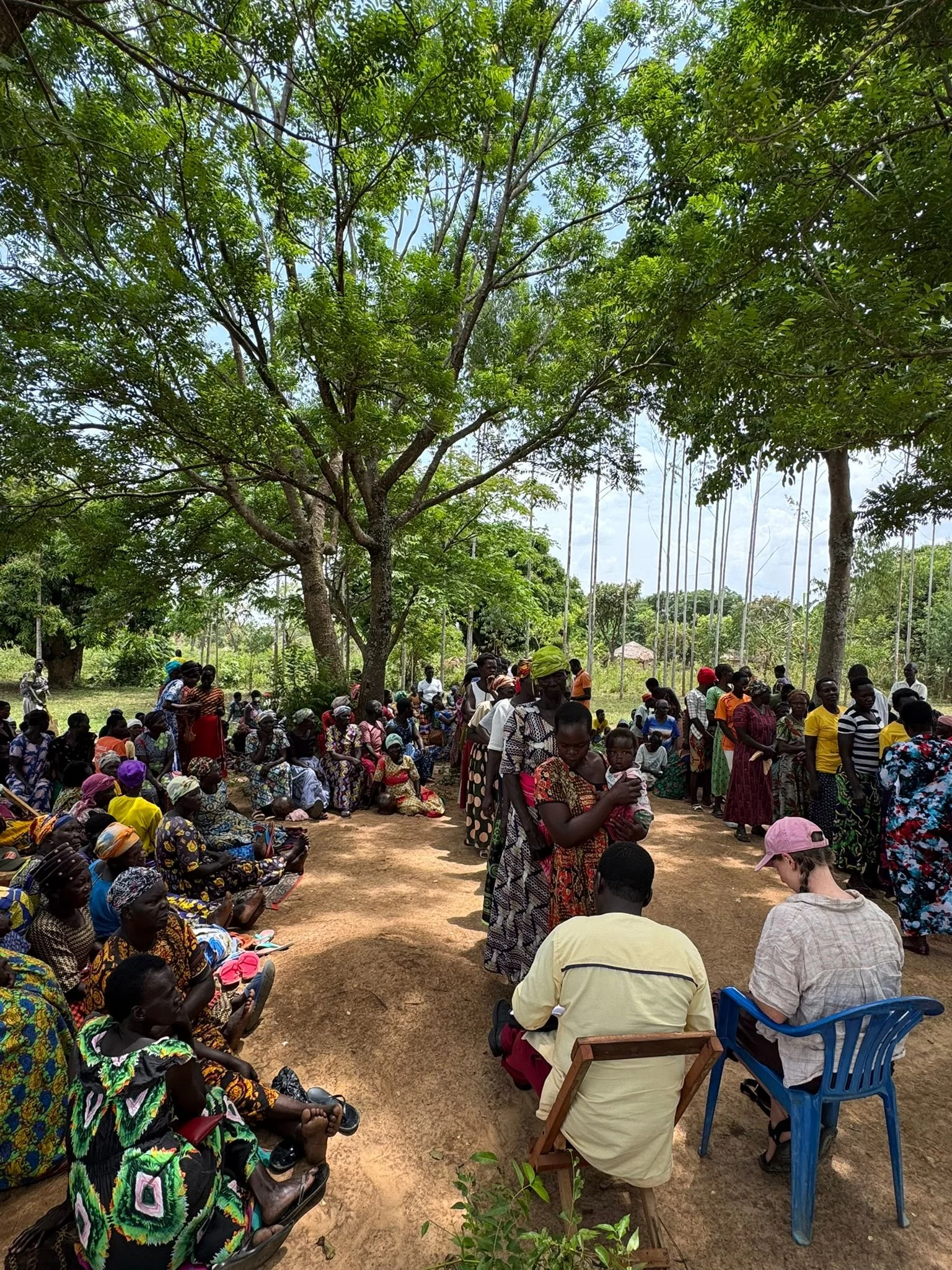
Some of 3,500 new women who were registered into Cents for Seeds in 2026
The Small Moments
Beyond the clinical work, some of our fondest memories were the simple moments.
Early rises with the rooster crowing, running after the newborn piglets on site, sharing lollies with the local kids; memories we'll cherish for a lifetime. Evenings were spent sitting on our front step with our neighbours, the midwives and nurses, sharing meals, and drinking hot chocolate together - something they had never tried before.
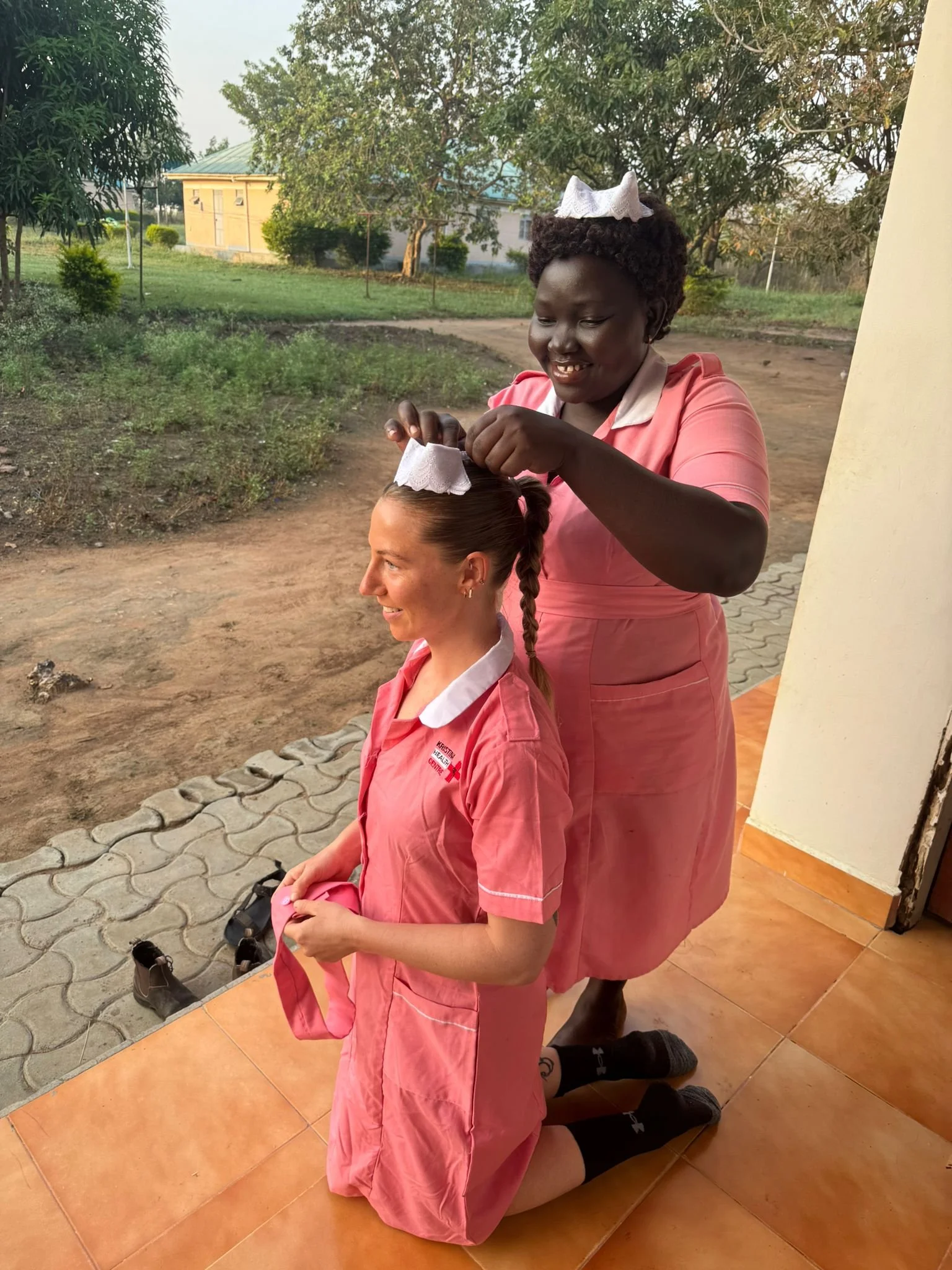
One unexpected highlight was introducing them to broccoli after they spotted it in our stir-fry dinners. They had only ever seen these "green trees" on television. When we brought some back from Lira the following week, their excitement was unforgettable.
Watching our new colleagues, now friends, cook, share and enjoy something new together was a small but special moment.
Dr Daniel Anyii
There is much to be said about Daniel, though there truly are not enough words to write.
This is a man whose career, and arguably his life, is dedicated to serving his community with passion. In moments where time-critical decisions carry life or death consequences, he remains calm, measured, and reassuring - a steady presence for both his team and patients.
As a leader, he has fostered strong team cohesion and trust, creating an environment where staff feel supported and empowered. His respect extends far beyond the walls of the clinic and into the wider community. We witnessed this firsthand on our trip to Otuke as previous patients stopped to take his hand and thank him, while mothers curtsied and expressed their gratitude for the safe delivery of their children.
He has been instrumental in advocating for the infrastructure that KHC is built on and will not stop until he believes his patients are receiving the highest standard of care he can offer.
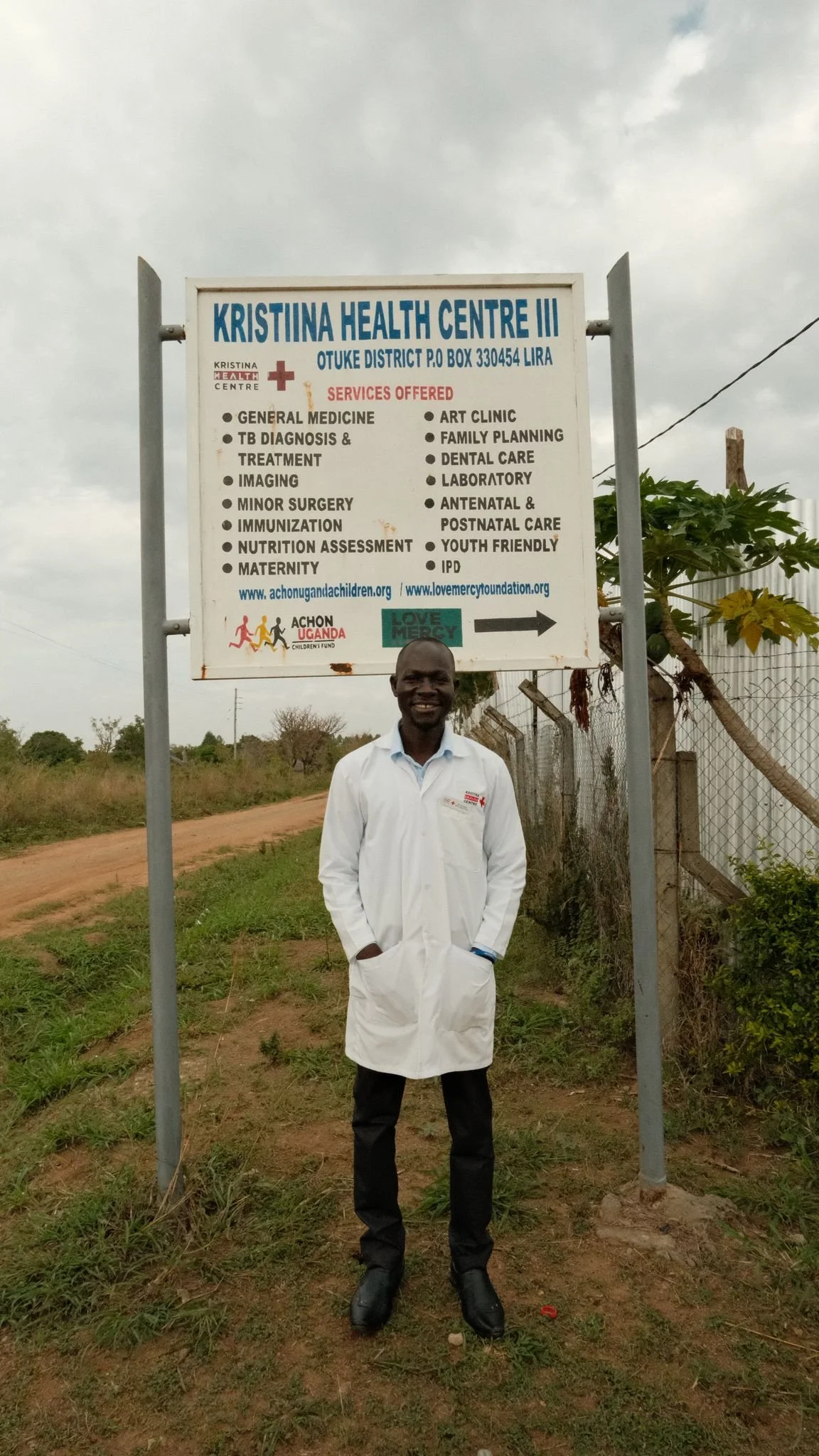
Thank you, Daniel, for welcoming us so openly into your community and allowing us the privilege of working alongside you and the team. We may not be able to practically vote for Ugandan of the Year, Daniel - but if we could, you would certainly have our vote!
Reflections
Leaving KHC was bittersweet.
There is a delicate balance when volunteering in a setting like this, wanting to offer support whilst remaining culturally respectful and mindful not to impose external and biased perspectives.
Even with that awareness, it was difficult not to reflect on the difference improved access to resources could make - even infrastructure we might consider standard in Australia, such as a bitumen road.
At the same time, it was impossible not to feel deeply inspired by the standard of care and the remarkable outcomes being achieved with so little.
Seeing how far the centre has come over the past 14 years, and the plans for its future, was incredibly inspiring. It is a true reflection of Daniel and his team.
It also reinforced how much access to healthcare is shaped by geography. The limitations faced by this community are not due to lack of effort, but lack of access, based on where they were born. We feel very humbled and it has made us incredibly appreciative of the healthcare system and access to specialised care that we have in Australia.
We left feeling nothing but gratitude for the experience, for the team, and for the opportunity to witness firsthand the incredible work being done at KHC. We can't thank the Love Mercy team enough for giving us this opportunity. It was a journey that will stay with us forever.